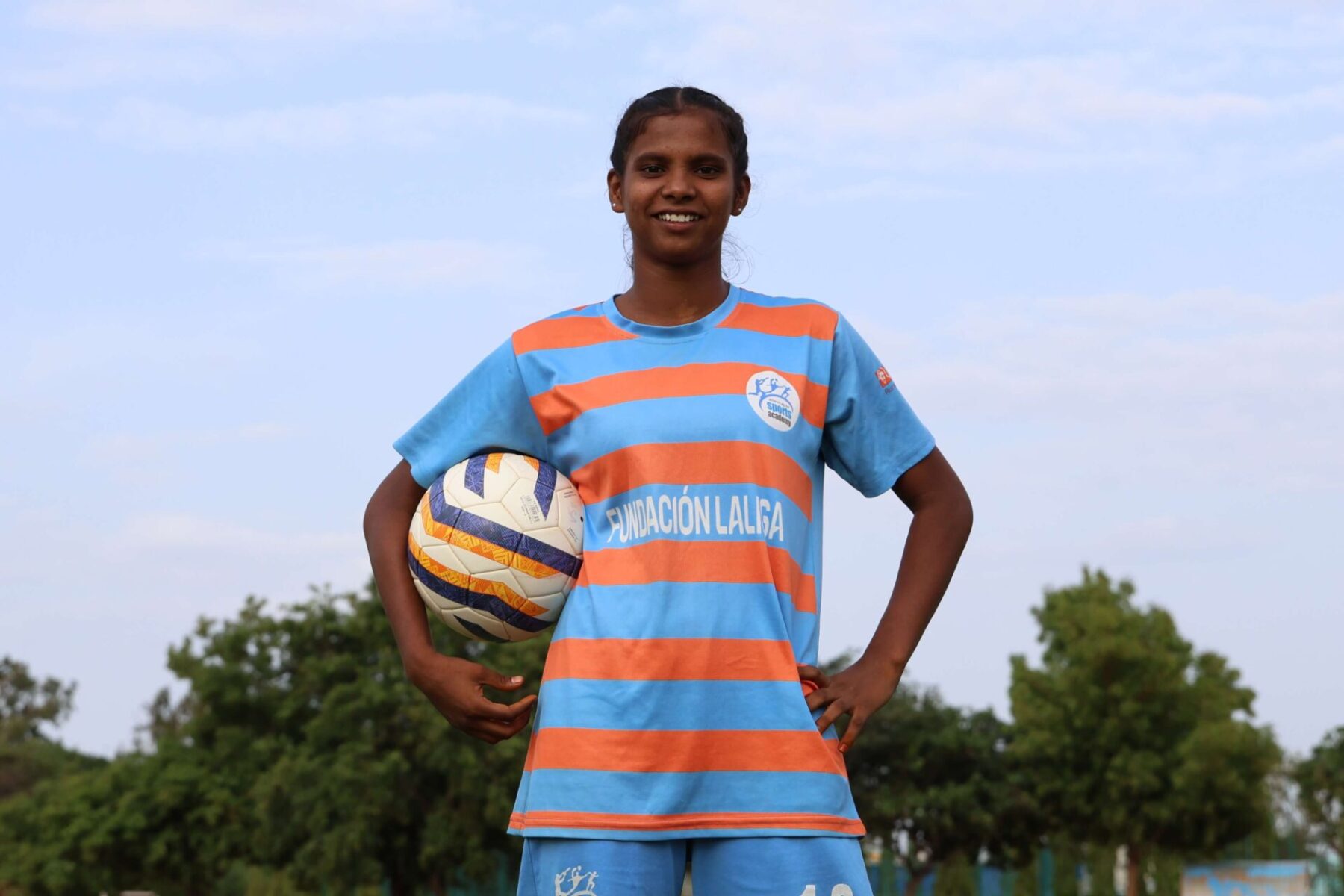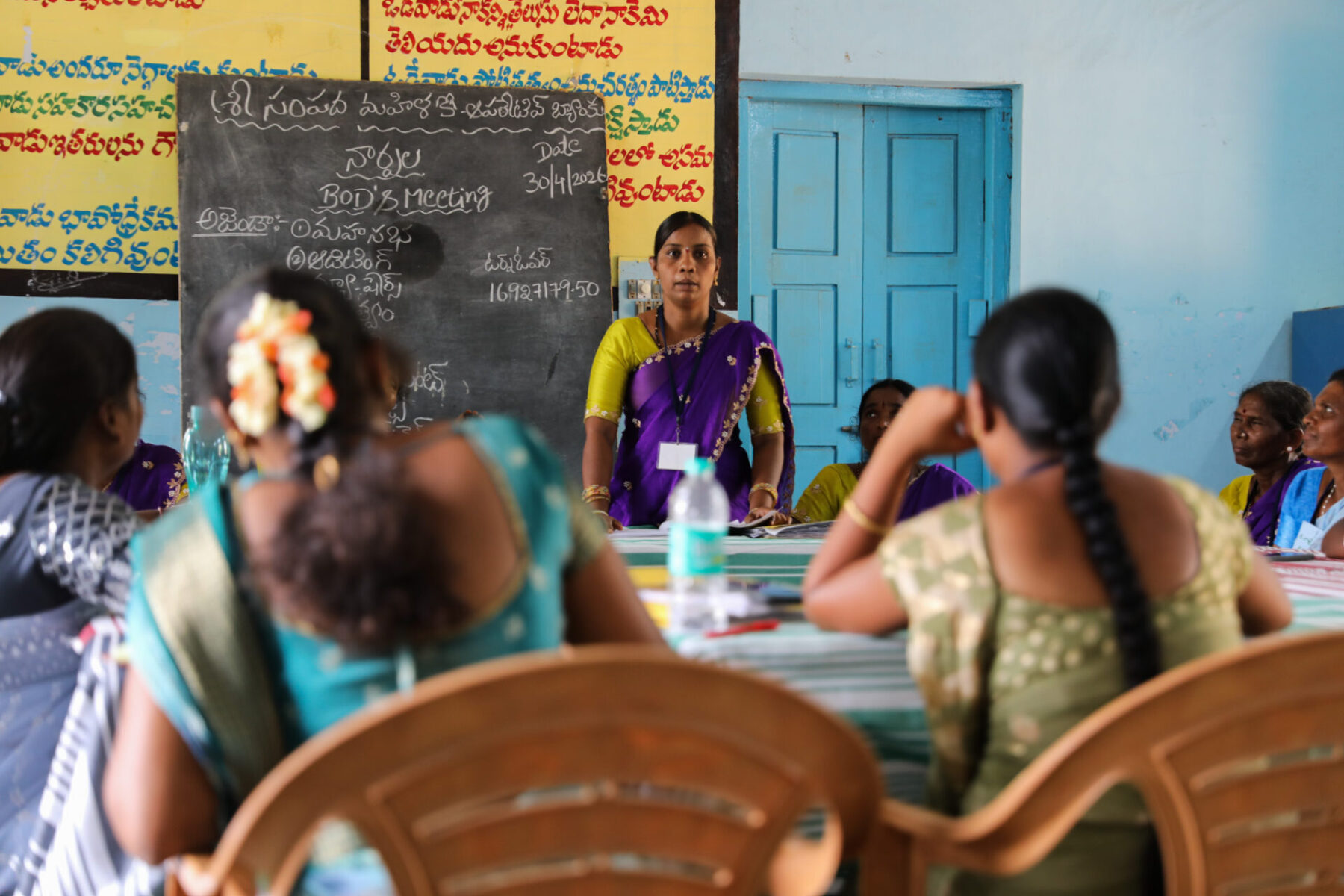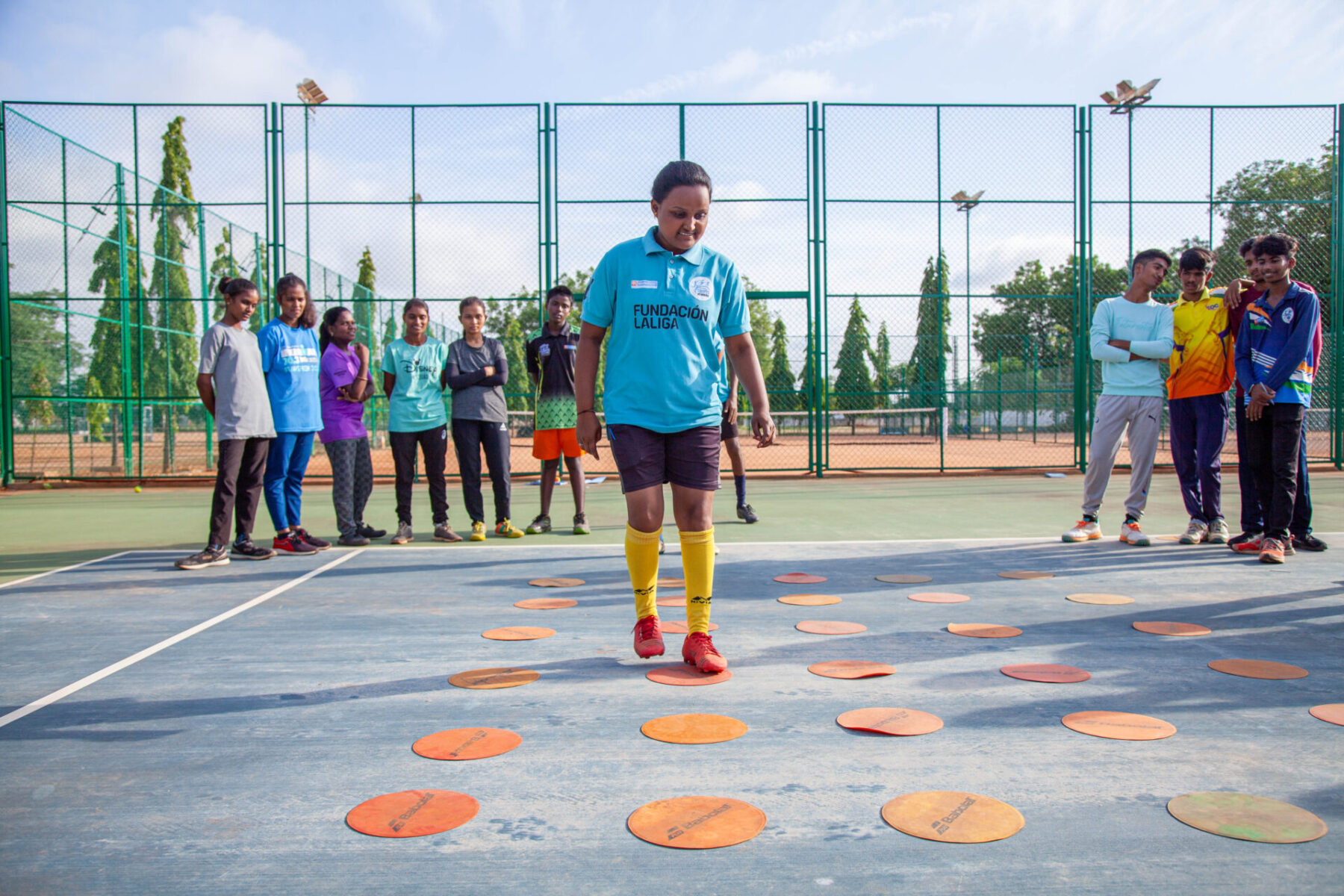
Anantapur district in Andhra Pradesh, India, is among the most rural regions in India, characterised by a semi-arid geography and recurrent drought. With the majority of the population dependent on agriculture for livelihood, irregular rainfall and limited resources have affected the income stability and overall well-being of the region. Besides this, the lack of alternative employment opportunities further raises challenges, especially for women and youth.
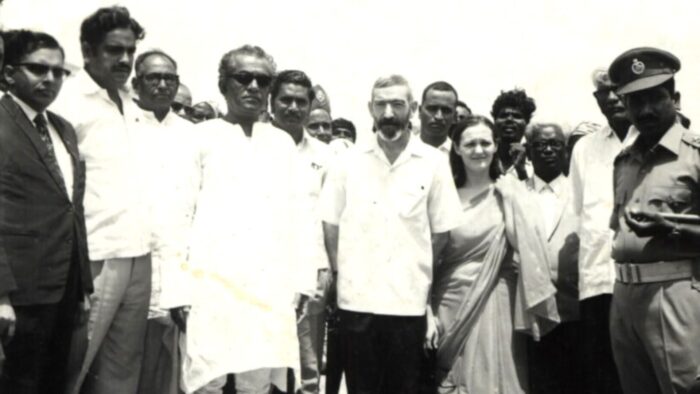 ……………………………………….. …………Vicente Ferrer and Anne Ferrer, founders of RDT, in Anantapur, India.
Founded in 1969 in Anantapur, Rural Development Trust (RDT), a non-governmental organisation (NGO), has been working alongside the state and central governments to strengthen the rural communities. RDT extends its work to various initiatives in habitat, healthcare, education, women’s development, sustainable livelihoods, and disability-inclusive development for the betterment of rural Andhra Pradesh.
While addressing rural needs, RDT realised that integrating sports into initiatives could help to reduce the gaps in rural communities, break barriers, and create space for inclusion and growth. Started in the late 1970s with school tournaments in kabaddi and cricket, the initiative took shape in 2000 with the establishment of Anantapur Sports Academy (ASA). Since then, it has been using sport as a tool for social change, promoting inclusivity, value education, and empowerment among economically weaker rural communities in the Anantapur and Sri Sathya Sai districts.
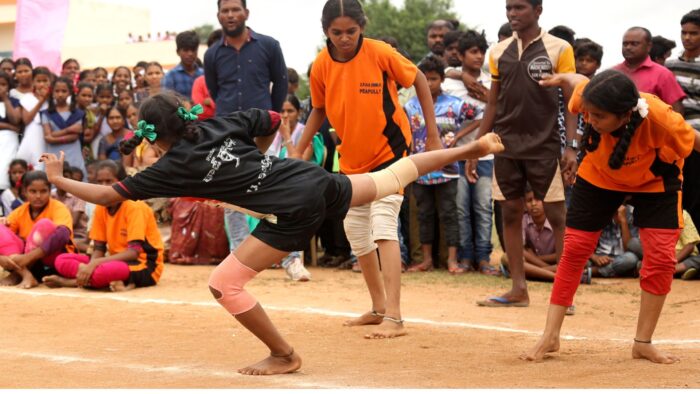 ……………………………….. …………………Kabaddi tournaments organised by RDT-ASA in rural Andhra Pradesh.
With a vision to leverage the power of sport to achieve sustainable social change among rural children and youth, the initiative has evolved into a multi-sport network operating through a three-tier system. Starting from over 100 grassroots sports centres in the remote villages, it expands to the 4 sports and education centres equipped with infrastructure, including grounds, library and computer classroom. Talented athletes from these programmes are then progressed to the elite youth residential sports academy at the Anantapur Sports Village (ASV) on a full scholarship covering their education, medical care, training and nutrition.
Across all levels, the programmes are designed and implemented through a three-point formula – Access, Educate, & Empower, to ensure the overall development of beneficiaries, equitable opportunities, and ultimately enhancing their employment prospects. The programme further aligns with the United Nations’ Sustainable Development Goals, reinforcing its commitment to sustainable development and measurable impacts.
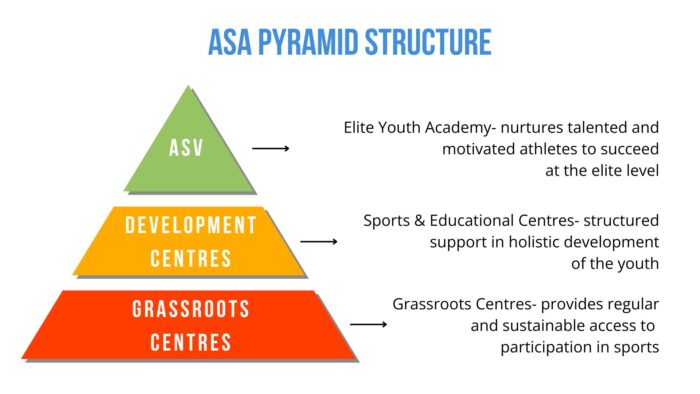
…………….. …….ASA’s Pyramid Programme Model to Achieve Its Vision
ASA further strengthens its impact through a school outreach programme, engaging partner schools in regular sports activities and tournaments to promote a sports culture, identify talents, and build awareness among parents and teachers.
“Alongside academics, students should also be encouraged to excel in sports through such meaningful platforms. We are delighted to be part of this tournament and hope many more tournaments like this will be conducted in the future to help discover the talent that exists within our classrooms,” shares Kesava Reddy, Physical Education Teacher at Sri Sai Vidyanikethan School, Anantapur.
Currently, ASA delivers ten sporting disciplines, namely, Archery, Athletics, Basketball, Cricket, Football, Hockey, Judo, Kabaddi, Softball and Tennis, engaging over 16,400 children and 135 youth (59% girls). Through initiatives such as rural sports leagues, mixed-gender tournaments, non-residential and summer camps, children further enhance their skills, build friendships, and experience teamwork beyond their villages.
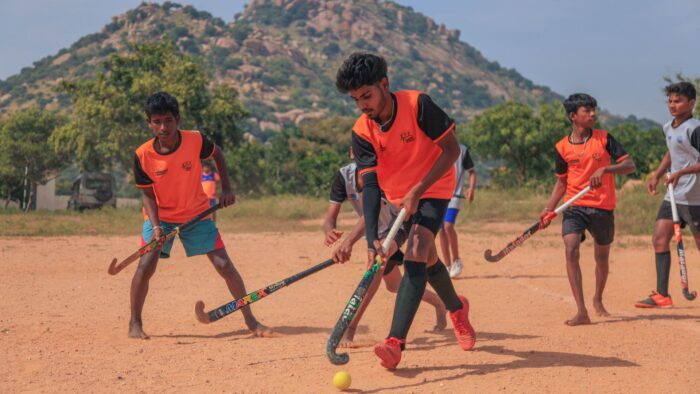 …………………………… ………. A match between grassroots centres in the Boys’ Hockey Leagues.
To promote girls’ participation in sports, ASA actively engages females through initiatives such as the Rural Girls Athletics Meet (RGAM), for athletes from government schools across rural districts. Driven by this, along with girls’ sports leagues and the emergence of local female role models, girls represent 59% of total participation in 2024-25, marking a significant shift in community perceptions about sports.
The inclusive programmes also extend to children with disabilities, through Special Olympics Bharat Centre for children with intellectual disabilities, Wheelchair Tennis at Nadal Education & Tennis School (sports and education centre), Para-athletics and RDT Inclusive Schools.
To ensure the holistic development of children, ASA has designed a life skills curriculum, ‘Play, Learn, & Grow’, in collaboration with the Swiss Academy for Development, for U-12 and U-16 age groups, aligned with the Long-Term Athlete Development (LTAD).
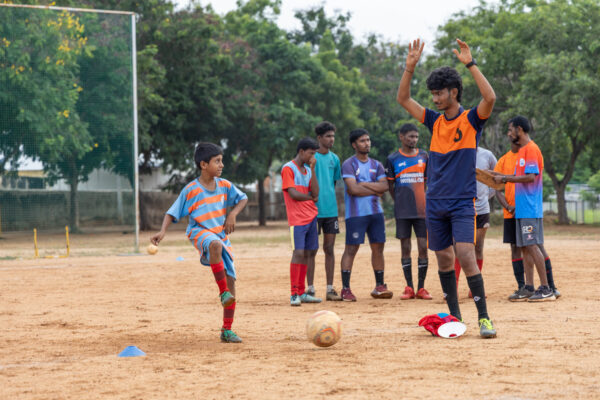 ………………………… ASA’s skill development workshop for aspiring youth.
With local youth taking leadership roles and contributing back to their local community, the programmes became sustainable. Over 1200 youth have been trained through coaching & refereeing workshops, while further mentorship and exposure opportunities have helped more than 100 youth pursue coaching & refereeing licences. Annually, ASA engages over 250 youths in its grassroots sports programmes, which continue to build their confidence, leadership capacity, and employability.
Additionally, selected youth participate in initiatives such as the internship opportunities at ASV, the Female Athlete Leadership Programme, and Business Entrepreneurship Workshops to make them ready to face the real-world challenges.
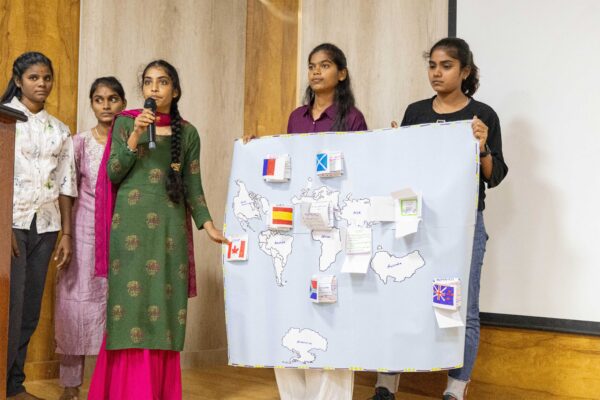 ………………………. ..ASA’s leadership programme for the female youth.
“Being part of the female leadership programme as a young coach was very insightful. Especially, learning more about menstruation and puberty was very helpful, as I work with young female athletes,” shares Devaki, residential field hockey coach at ASA, reflecting on her experience in the year-long certification programme.
The impact of ASA’s initiatives is reflected not just in numbers but in the stories of change across rural communities. From M. Jagadeesh, who represented India in Softball, to M. Anusha, who represented India in Football, the stories at ASA tell how sports can reshape individuals’ lives and communities. Having trained more than 2,00,000 rural children over the years, over 2000 have progressed to represent Andhra Pradesh and India in various tournaments, a testament to the commitment and sustained impact.
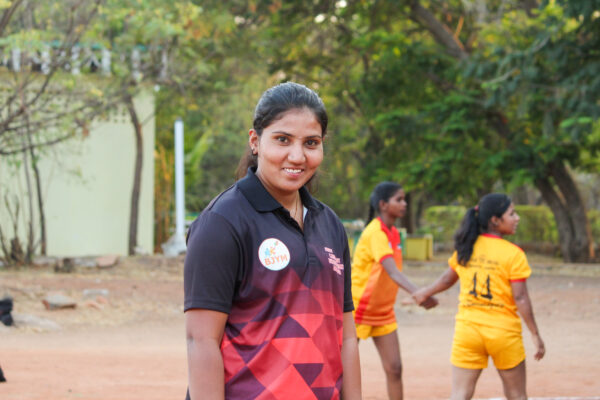 Sandhya D., who is currently working as a Kabaddi coach in the District Sports Authority of Anantapur
For over 350 athletes, sports paved the way to employment opportunities. Sandhya D., Lolita Mary, M. Bhavani, G. Prudhvi, P. Sandeep B. Mohan, and B. Anusha have secured jobs in government departments, including railways, the army and teaching, becoming a stable source of income in their families.
What began as village-level tournaments decades ago has evolved into a model that demonstrates how sport, when meaningfully integrated into rural development, can transform not only individual lives but entire communities. As ASA continues to make a difference in the rural communities in Anantapur and Sri Sathya Sai districts, the children and youth are not just participating in sports; they are reshaping the social norms, stepping out with confidence, and creating their pathway forward.
Text: Kailas Khanna K.R
As published on https://azitama.jp/EN