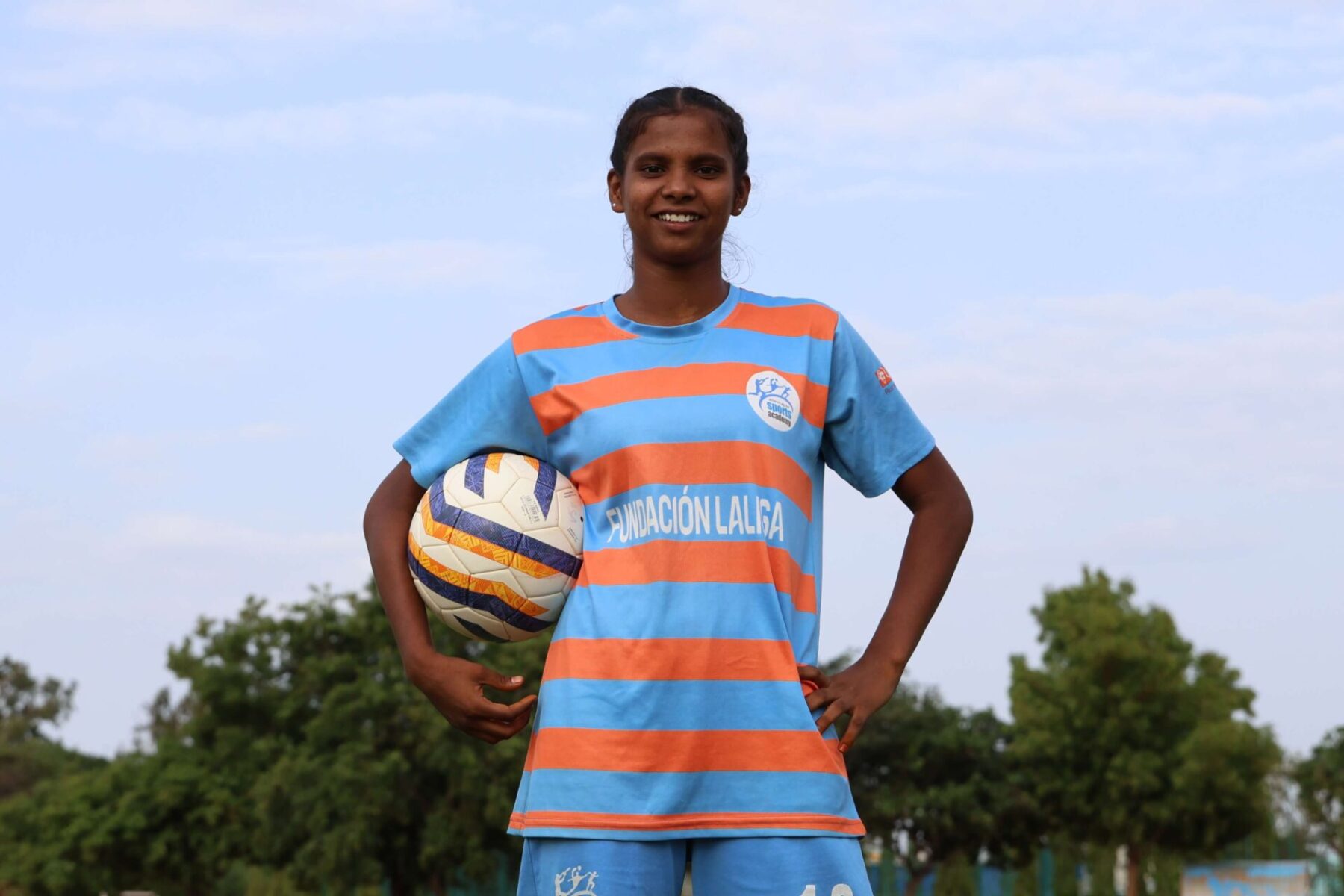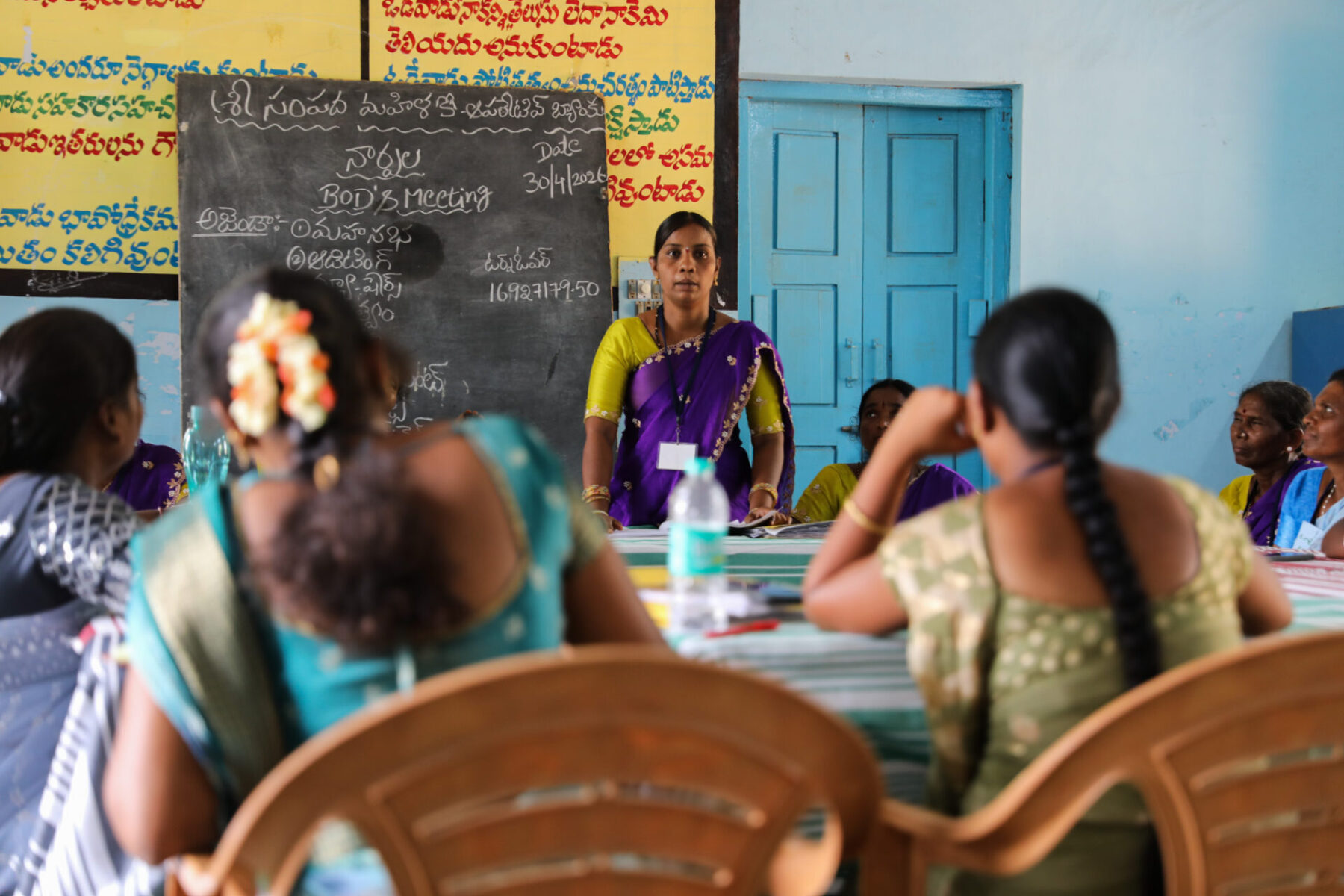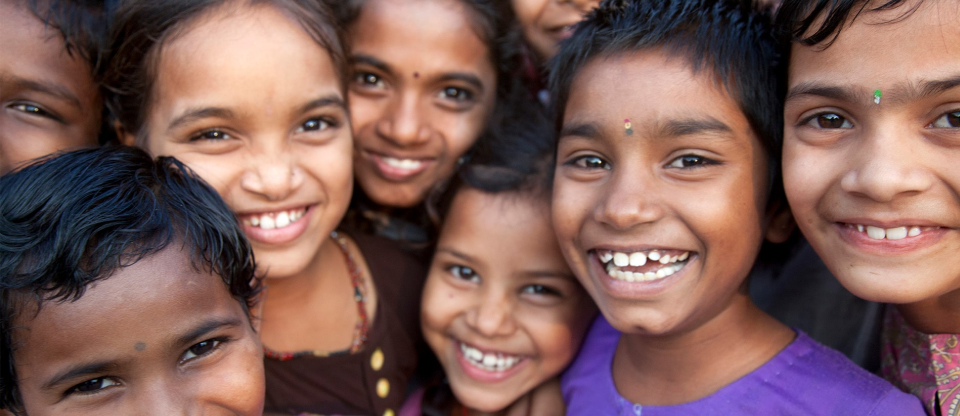

In Amidyala village of Uravukonda Mandal, the chilly fields stretch out under the harsh sun, and it was here that V. Nandini learned what it meant to work for her family’s survival. Born into a farming family, where every rupee counted, Nandini often left schoolwork behind to join her mother in the fields, helping pick chillies.
It was not the life anyone imagined would lead to a national podium. When Nandini began playing sports instead, the neighbours noticed, and they had opinions. “Why was she allowed to run around with a ball, when there was so much else a daughter could be learning?” they asked her parents.
Her parents did not have an answer at first. But they watched their daughter change. She grew more confident. She started caring about school. She began travelling to represent her district and, later, her state. And beneath all of it was something harder to name but impossible to miss: she was happy, in a way that felt earned.
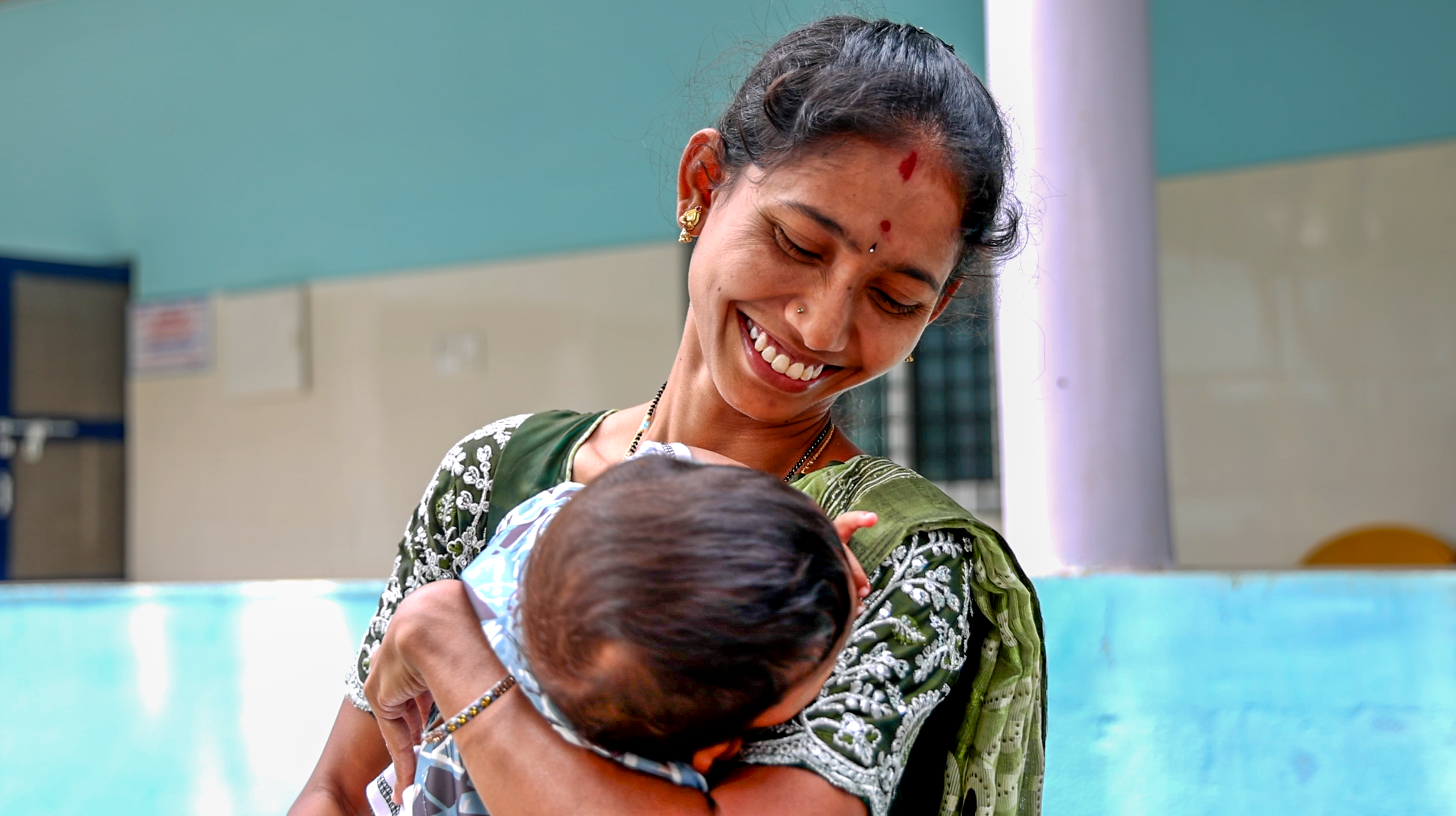
“I could see how happy she was, and I could see how much she was improving day by day. When I saw her progress, I felt proud. Today, I feel that if Nandini can come this far, I would want ten more girls to get the same opportunity to play football,” Marappa, Nandini’s father, proudly shares.
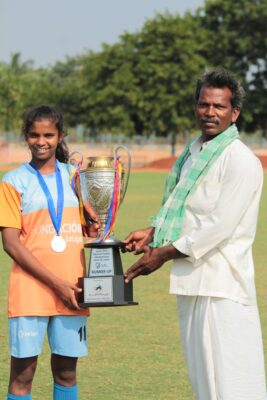
Nandini’s route to football was not direct. She was twelve when she first picked up Kho-Kho, the tag sport that runs through village life in the region. It was her cousin Anita, a footballer herself, who put a ball at her feet and showed her something else was possible.
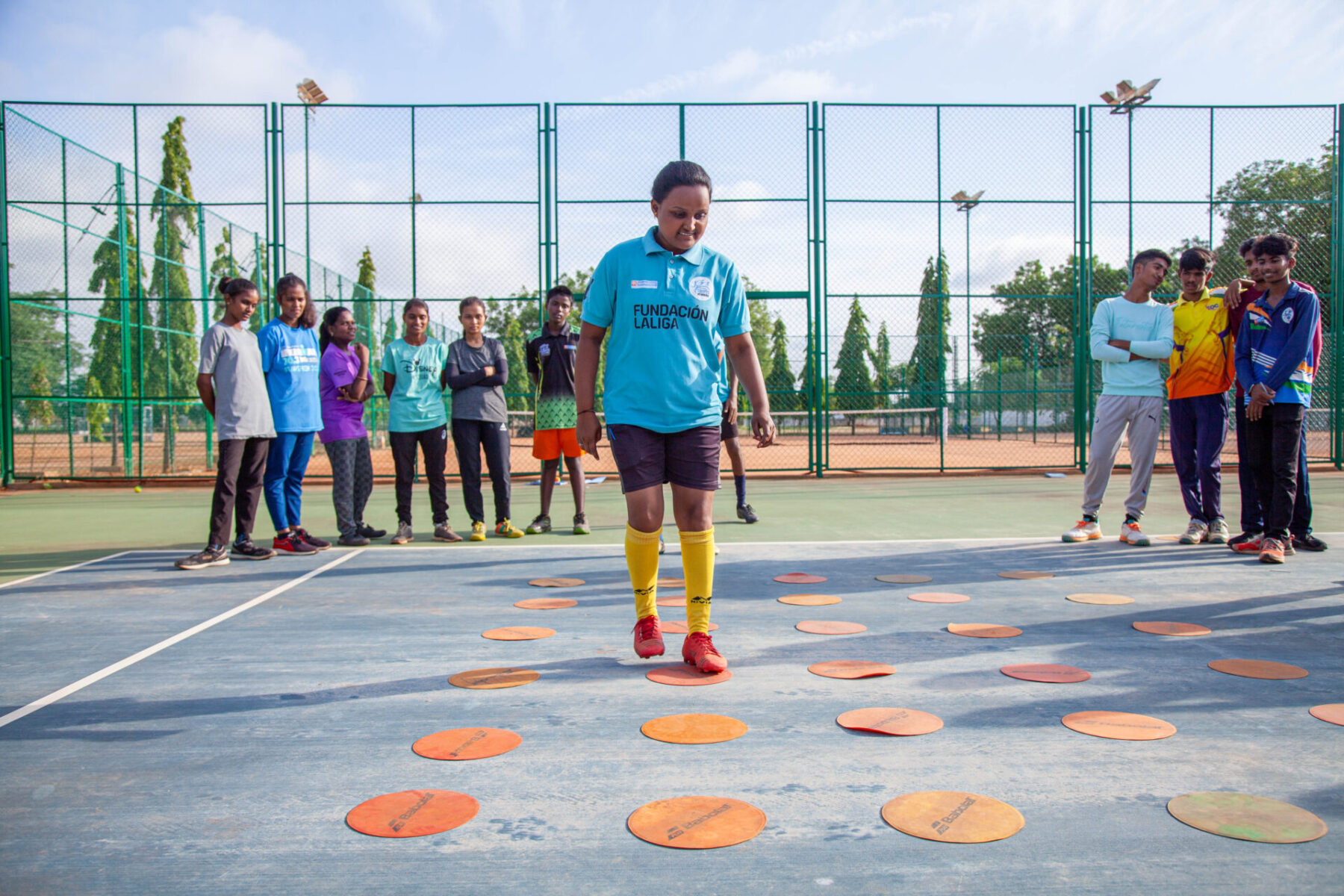
At ZPHS Amidyala School, under the guidance of her coach, B. Maruti Prasad, that possibility began to take shape. She played for her school, then for the Anantapur Football League (AFL), a grassroots league run by the Anantapur Sports Academy (ASA), the sports-for-development programme of the Rural Development Trust (RDT). An invitation soon arrived to train with the Sports Authority of Andhra Pradesh in Nellore, but her parents were not ready to let her go so far from home.
It would take three seasons of the AFL, and performances strong enough to be undeniable, before the next door opened: a spot on the ASA’s first residential girls’ football team, run in partnership with the La Liga Foundation. This time, leaving home was no longer avoidable. Nandini’s parents hesitated again. What changed their minds was her coach showing up at their door, sitting with them, laying out exactly how the academy could shape their daughter’s future. It was enough. Nandini packed her things, said goodbye, and cried more than she expected to.
The first weeks at the academy were hard. Homesickness came in waves. But slowly, with coaches who noticed when she was struggling, and teammates who filled the silence where her family used to be, the academy became a second home.
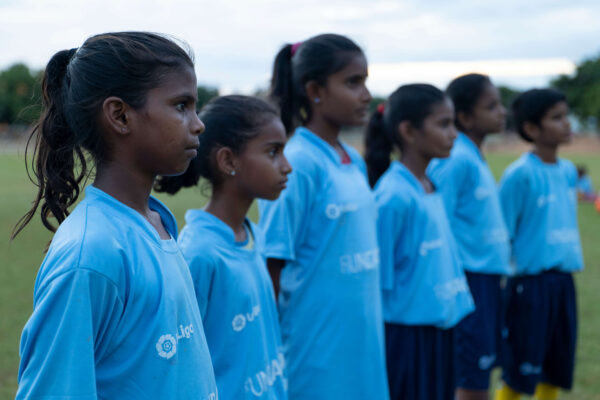
It also became the place where Nandini started to understand what she was capable of. She began setting her own goals and chasing the kind of player she wanted to become. The results came quickly. She was named best player in her first season at the Inspire Cup. She earned a place on the district team, then the state team, collecting goals, top-scorer honours, and player-of-the-tournament awards along the way.
Her performances caught the attention of KEMP FC in Bengaluru, which brought her into the Karnataka State Football Association’s Women’s Super Division League and the Indian Women’s League 2. The move exposed a new obstacle: language. Nandini struggled at first to communicate with teammates from other parts of the country. But playing alongside them, travelling with them, and learning to navigate a world outside her village taught her lessons that no classroom could ever have. The struggle became part of her education.
That education extended beyond the pitch. The academy paired its athletic training with academic support, tutoring, and a structured daily routine, aimed squarely at students like Nandini, who had once shown little interest in her studies and who now missed school constantly for tournaments. Catching up was slow and difficult. It happened anyway, through remedial classes and the quiet encouragement of the people around her.
At home, something had shifted too. Nandini’s discipline and steady rise did not just change her own life; it changed how her family saw what was possible. Her father had spoken about never having been able to support his son’s athletic ambitions years earlier, and about how his daughter, without knowing it, gave him a chance to make peace with that.
The arc of her career kept climbing: selection to the Indian Under-19 Probables, a milestone that many young athletes spend years chasing and never reach. The same neighbours who once questioned her parents’ judgment began stopping by to offer congratulations instead. Then came word that she had been awarded a scholarship from the Oil and Natural Gas Corporation (ONGC), a recognition of both her athletic promise and her academic effort.
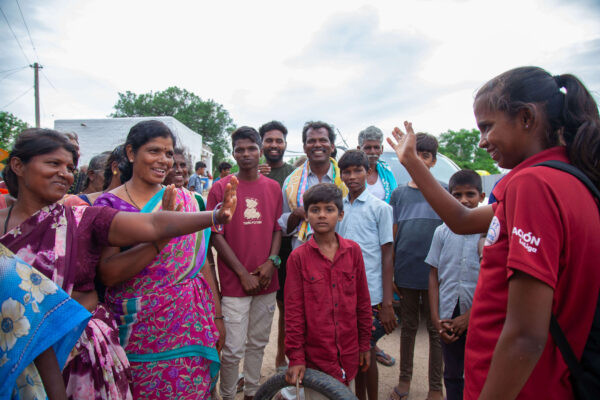
“When I saw how happy my parents were with everything I had achieved, I felt that I wanted to do even more. One day I want to play for India. I want to see my parents even happier and make them proud,” shares the happy daughter.
Nandini does not describe her life in terms of exactly what football gave her. She describes it in terms of what she would have missed without it: the travel, the people, the skills she may have never pursued, the version of herself she might never have met.
Her story, just like 3000+ girls from the ASA programme, is less about a talent and more about what happens when a talent is nurtured with care, with clear goals to achieve and a pathway for the future. From the chilly fields of Amidyala to a national training pool, Nandini’s journey shows how sport, properly supported, does not just change the athlete. It changes everyone who was ever asked to believe in her.
Text: Kailas Khanna K.R