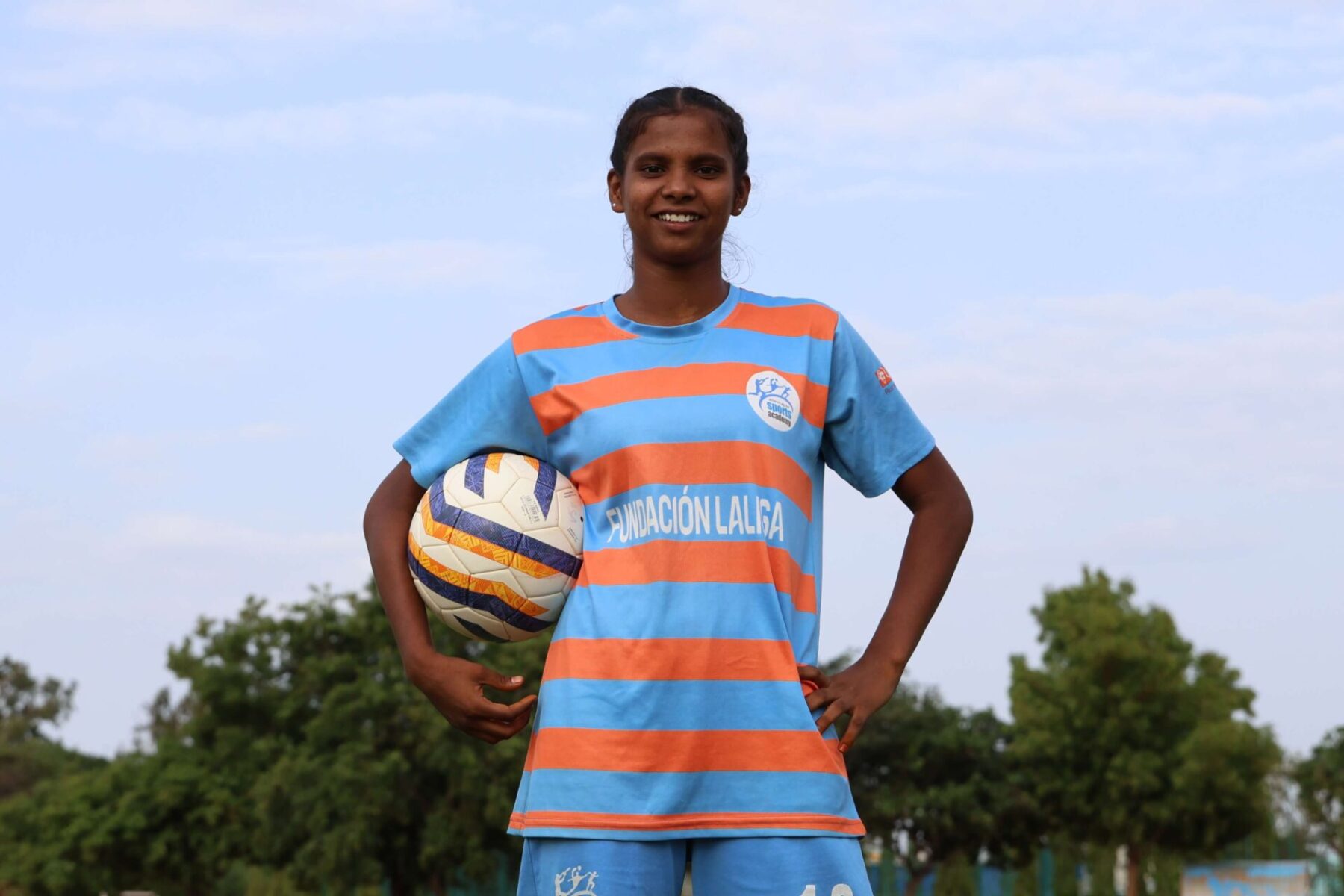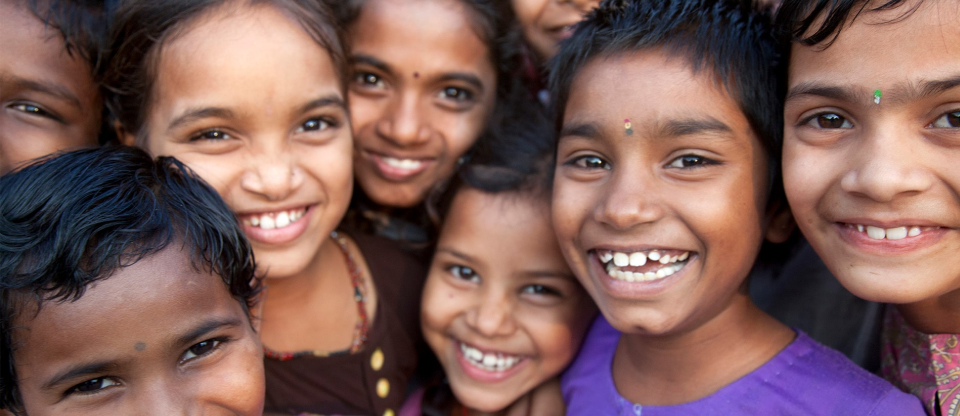

“I didn’t know much about life skills before joining Anantapur Sports Academy (ASA). Now, I’ve learned many important things like equality, teamwork, discipline, and time management. I also learned about topics like good touch and bad touch through awareness sessions. These sessions are really helping me become better in my daily life”, shares Sai Keerthana, a ten-year-old athlete at ASA.
It’s not just Sai’s view on life skills; it represents the voices of athletes in ASA’s programmes. ASA, a sports-for-development initiative of the Rural Development Trust (RDT), has been using a globally recognised approach of sports training integrated with life skills education for the holistic development of rural children and youth. Introducing life skills into its programmes strengthened its vision of ‘leveraging the power of sports for positive social change’ to achieve a larger goal of creating capable individuals who can handle the complexities in life with confidence.
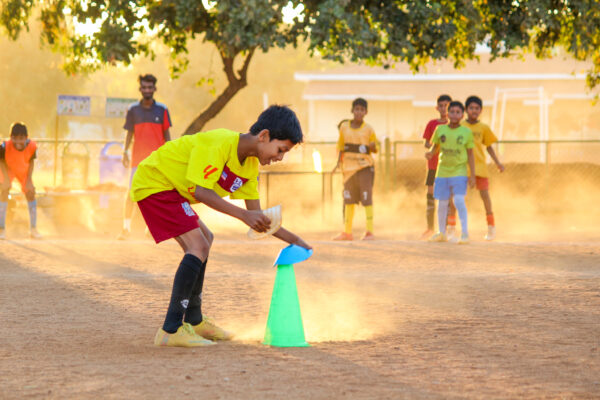
‘Play, Learn, & Grow,’ a structured curriculum for U-12 and U-16 age groups, was designed in 2024 to strengthen the holistic learning experience of children and youth at ASA. Developed in collaboration with the Swiss Academy for Development, the curriculum is aligned with the Long-Term Athlete Development (LTAD) model, ensuring that children acquire age-specific life skills alongside their athletic development. More than 6500 children have participated in the life skill sessions to date.
“Through life skills, children learn how to understand themselves, respect others, and handle real-life situations with confidence and values. We developed a life skills curriculum to build strong minds and responsible individuals who can make wise decisions on and off the field”, shares Roseline Mary, ASA Child & Youth Development Coordinator, about the thought behind designing the curriculum.
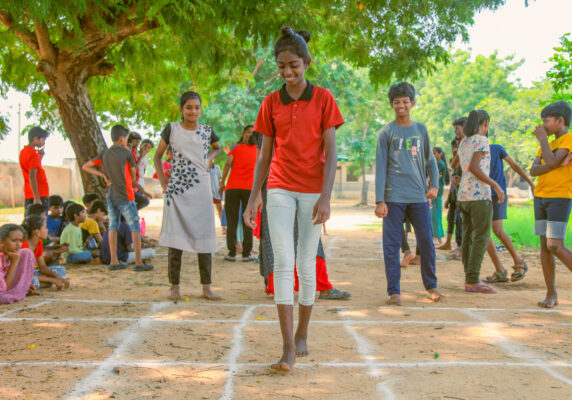
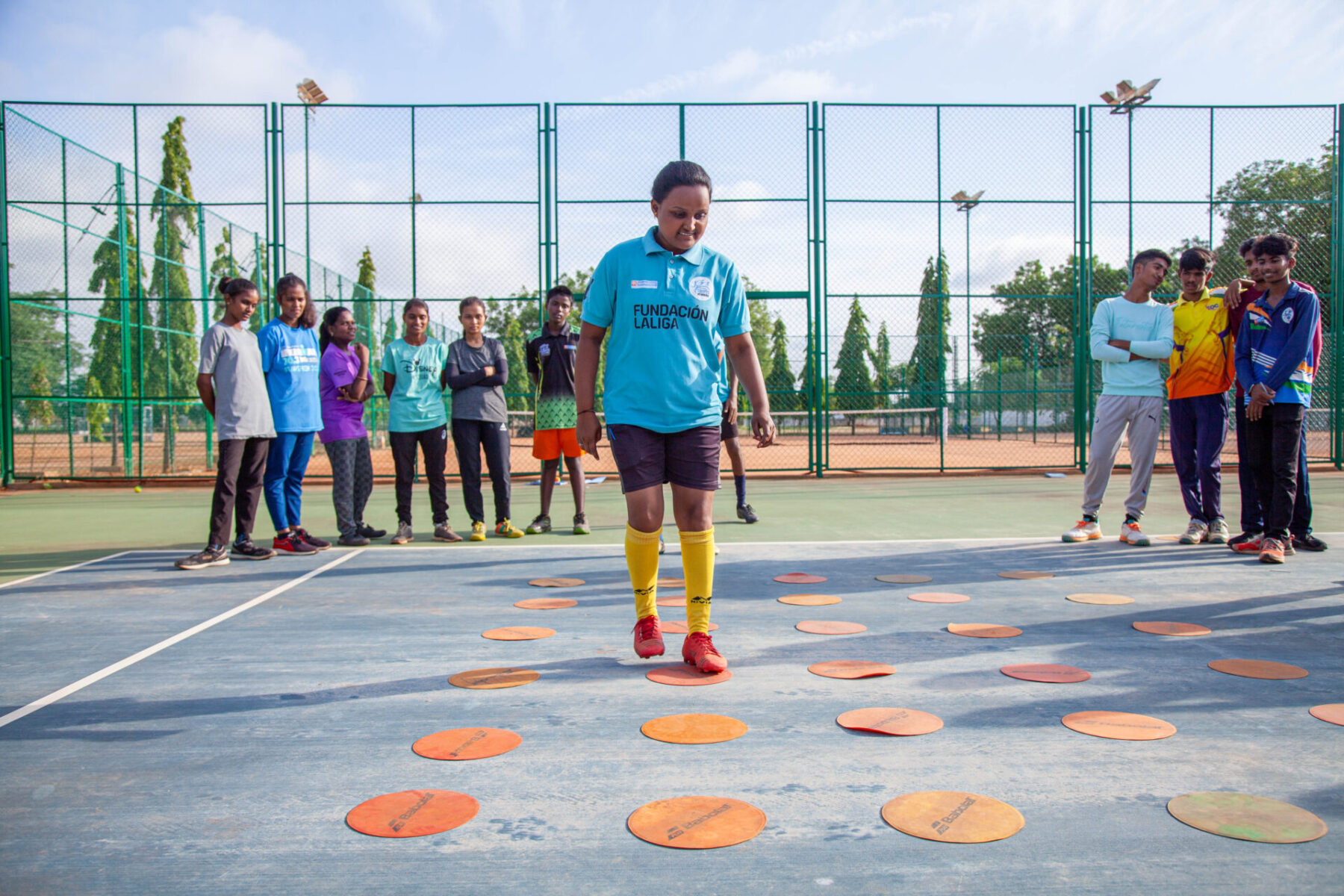
To further ensure effective integration, ASA educates coaches and youth leaders about the importance of life skills sessions and trains them in ‘life skills coaching’ through regular coaches’ workshops. This ensures quality life skills session delivery along with the sports training at their respective centres and supports the overall development of children from a young age.
“Life skills coaching workshop helped me learn how to integrate life skills into my coaching sessions in a simple and practical way. I communicate better with my athletes, encourage teamwork and support among players, and ensure they respect each other. Because of this, my sessions have improved, players are more engaged, and I feel more confident as a coach,” shares P. Rajini, ASA’s female youth leader, about how the workshop helped her to integrate life skills into her coaching sessions.
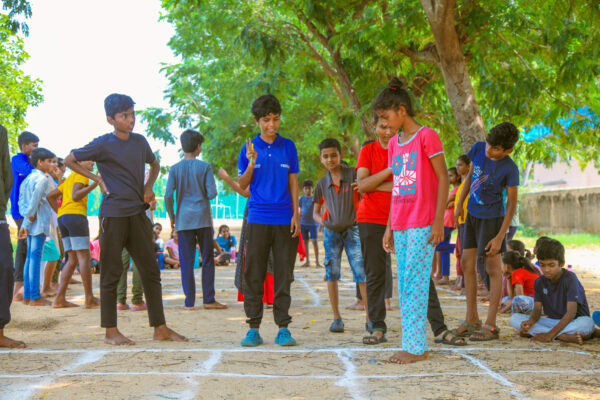
For Sai Charan, a fourteen-year-old, an age when the world starts to feel different, the shift demanded something more than a trophy could give. Managing everything, from education to sports training, adapting to structured environments, and building the confidence to take on leadership, he developed skills that went far beyond the field. “I know life skills are very important. For example, time management, leadership, organising skills, and many more are essential in day-to-day life. Earlier, I used to be stressed with many thoughts running through my mind during tournaments. Now, I try to calm myself and relax, and I have become more confident”, he shares.
While trophies and medals celebrate the achievements on the field, the real victories are the confidence, resilience and values children carry in their lives. These intangible rewards extend beyond individuals, transforming families and communities. In this journey, sport becomes a powerful medium for instilling life skills education, creating a lasting impact on children and youth.
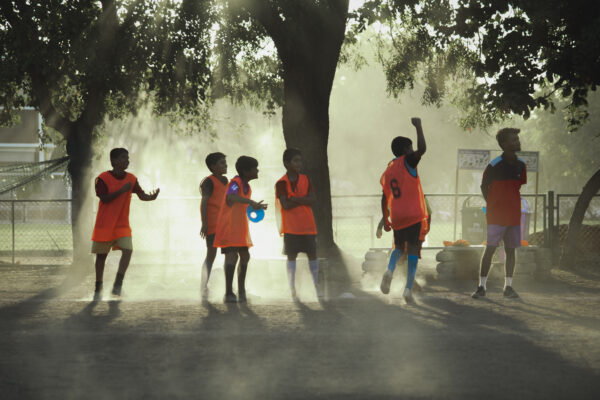
As ASA continues to create confident young people, its journey reflects that success is not always measured by rewards in display cases, but in the confidence of a young person who believes in their own potential. Because when the young people believe in themselves, that’s where the true change begins.
Text & Images: Kailas Khanna K.R.
As published on: Azitama