Venkataratnamma received the message on a Tuesday: her child needed to pay the college admission fee, in full, by the following morning. She did not have the money. In another life, in another village, this is the moment a family borrows from a moneylender or a friend, or when a mother spends days in banks and other avenues where her loan may or may not be approved.
Instead, Venkataratnamma walked to the cooperative bank down the road.
“I did not have the money to pay the admission fee. I came to the cooperative bank and requested a loan,” she said. “The Board completed the process, and the next day, I was able to pay the fee. Without that money, it would be tough to save that seat.”
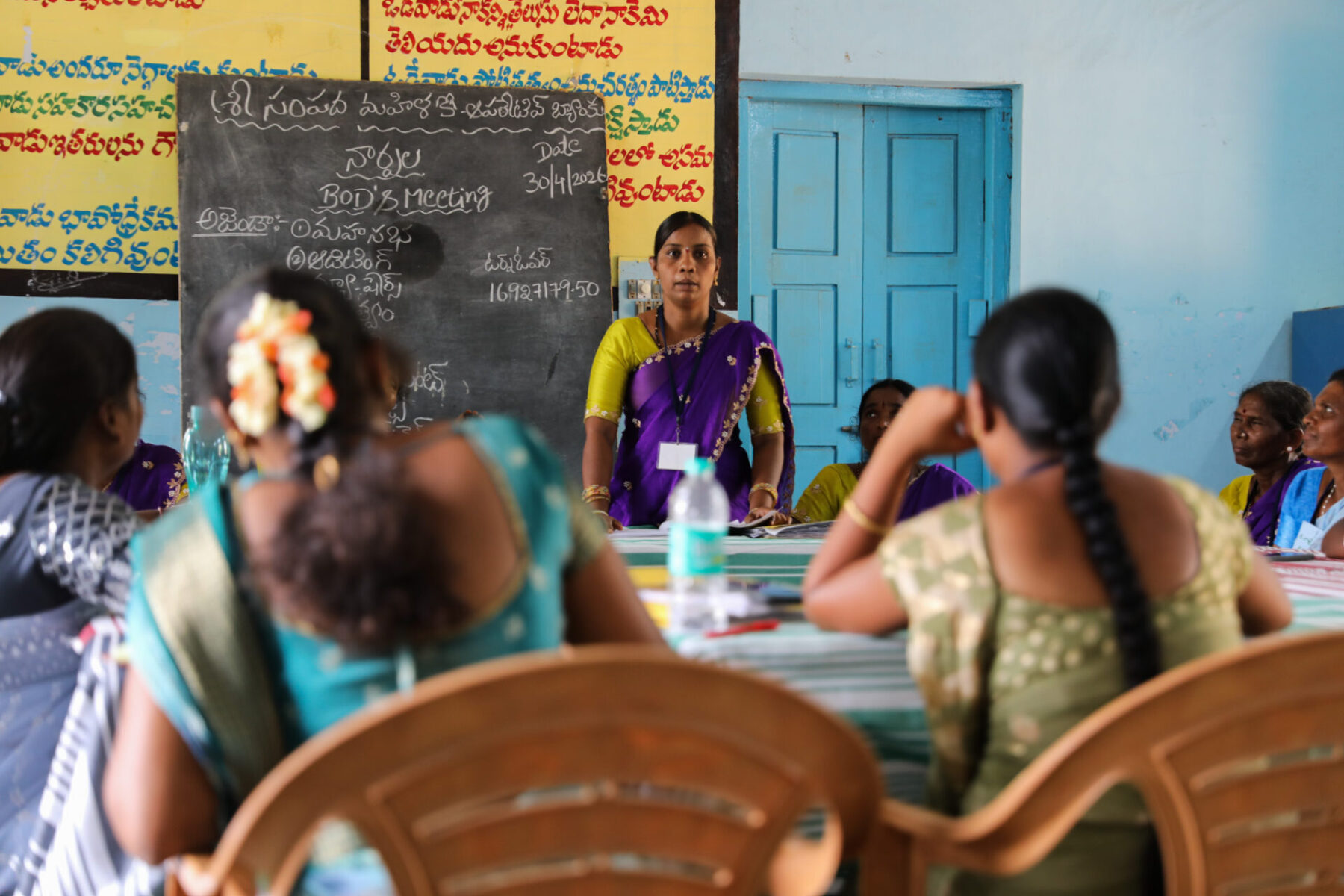
The bank that saved her child’s seat in college was not a large bank branch. It was the Sree Sampadha Mahila Cooperative Bank, one of 30 cooperative banks across rural Andhra Pradesh and Telangana that are owned, staffed and governed entirely by women. Between them, the banks now count 33,797 members across 876 villages, a network built slowly and deliberately, over years of training supported by the Rural Development Trust.
The premise is unglamorous and, in the context of rural India, quietly uncommon: that women who often wait for permission to spend money might instead together decide who gets a loan, when, and why.
From a daily wage labourer to the seat at the table, Ramadevi remembers a version of herself that rarely left the house.
“Earlier, I would not go anywhere on my own,” she said. “It was after joining the sangham that I started stepping outside, meeting people, and taking on responsibilities.”
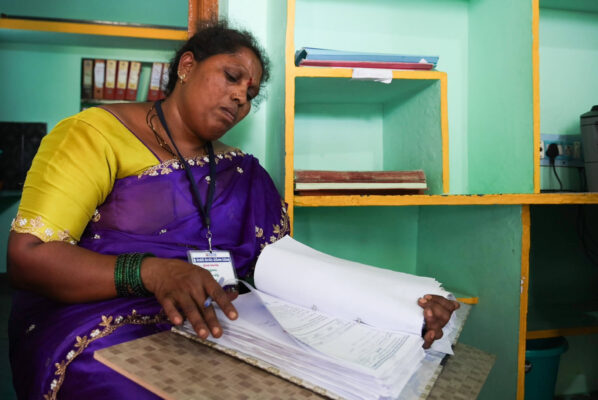
At 38, she is the mother of two and the president of the Sree Sampadha Mahila Cooperative Bank, a position that would have been unthinkable to her a decade ago, when she earned a daily wage as a labourer, money that barely supported her basic expenses.
Her rise through the cooperative followed a familiar path: she became a Network Leader, sat through training sessions on entrepreneurship and financial management, and was eventually elected president by the members she once stood alongside in the fields.
Somewhere in that process, her ambitions shifted from surviving the day to building something of her own. “I began to think that instead of working for someone else, even if I earned a small amount for myself, wouldn’t it be better to do something on my own?” she said.
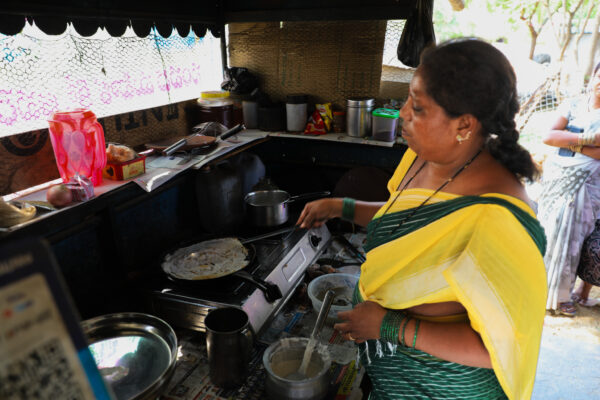
She started with a dosa stall, financed by whatever savings she could scrape together. A loan from the cooperative bank followed, and with it, a petty shop, a vegetable stand, and eventually a proper shed to house the business. Today it turns a daily profit, the kind of steady, self-generated income that once seemed out of reach.
Venkataratnamma, who now serves as the cooperative’s treasurer, describes the shift in the arithmetic of respect that goes beyond balance sheets.
“If women stay within their homes and do not earn, people often look to their husbands for decisions,” she said. “But when a woman saves money, earns an income of her own and starts making decisions, people begin to look at her with respect.”
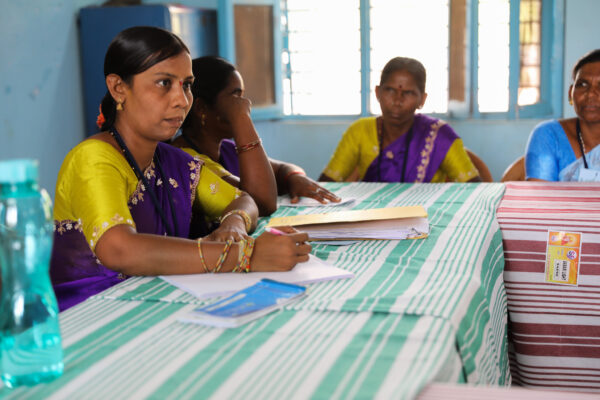
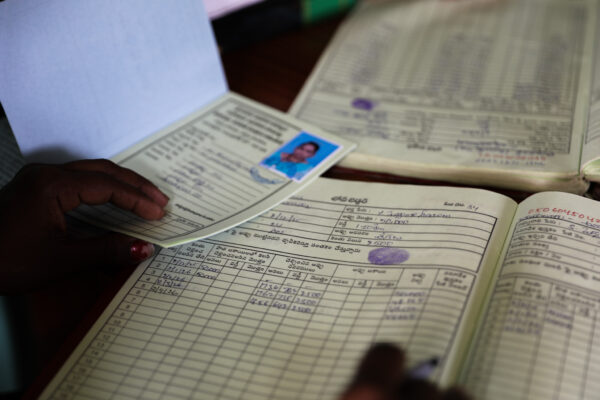
Becoming treasurer meant months of training before she was trusted with the cash books, cheque books, payment records and meeting expenses that keep the institution accountable to its members.
That accountability is built into the structure itself. Village-level groups elect Network Leaders, who form a 15-member Board of Directors; from that board, five office bearers take on the daily running of the bank. Monthly board meetings review loan applications and address problems as they surface across the villages. Once a year, the full membership gathers to go over the institution’s finances together, a ritual of transparency that builds trust across the whole membership.

What separates these cooperatives from the informal lenders they have largely replaced is not just the interest rate, but the credit without the cost of dignity. The dignity of being treated as a peer throughout the process, rather than someone asking for a favour.
When a member needs a loan, it is the sangham and the cooperative’s own leadership, women she likely already knows, who assess her needs and her capacity to repay. Staff help with paperwork and verification on the spot, sparing members the repeated trips to town and the lost wages that come with them, which formal banking so often demands.
At the end of each financial year, surplus earnings are distributed back as dividends among the members, a small but meaningful reinforcement of the idea that this is not a bank lending to them, but a bank that is theirs.
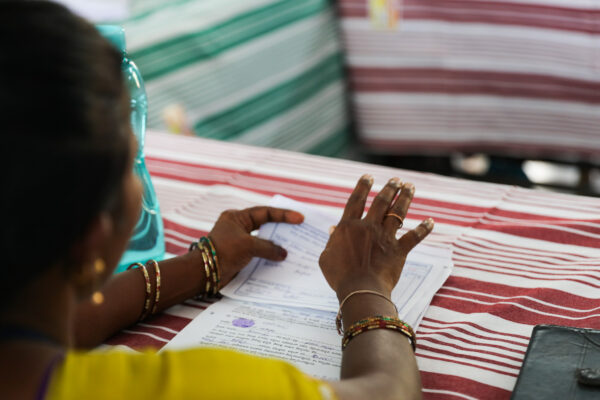
Women who once needed permission to spend now sit on boards, review loan files, keep the books and run businesses of their own. The cooperative, in the end, turned out to be more than a place to borrow money. It became the place where they learned to own and lead.
Text: Riya John Richard
Images: Riya John Richard, Vasu K